FinTrU
Graduate Role
Solution
All the details that shape the project
Role
Designer and researcher, owning the concept and end to end product design.
Team
Worked closely with senior designers and cross functional product teams, including product owners, engineers, and stakeholders.
Timeline
I worked at FinTrU over the course of two years.
Overview
My time at FinTrU
A large portion of my work at FinTrU is confidential and therefore not publicly shareable.
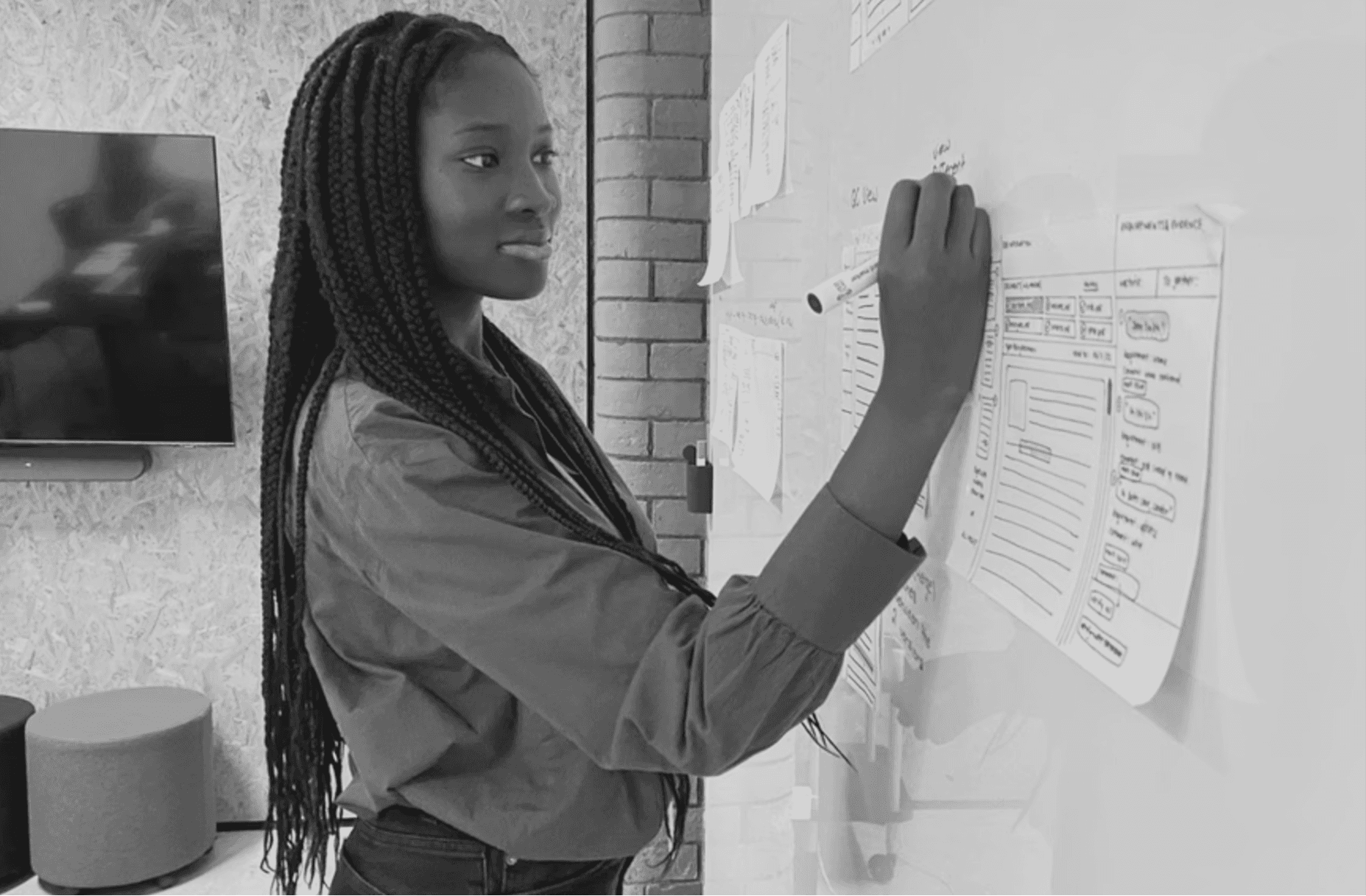
When I first joined FinTrU, the team was kicking off a brand-new product idea that aimed to tackle a big challenge in the industry. It felt like the perfect moment to jump in, and I got to be part of shaping the project right from the start. I worked side by side with other designers to untangle early problems, sketch out solutions, and imagine how features like machine learning and AI could actually work in practice. I also quickly found myself diving into user research. Some days I was behind the laptop as a notetaker, and other days I was leading the conversations. Either way, I loved turning those raw insights into something meaningful that directly influenced our designs.
A big part of my role involved KYC and compliance tools. At first, it sounded like it might be dry work, but it turned out to be one of the most interesting challenges. It pushed me to think about how to design experiences that were not only compliant with strict regulations but also simple and usable for people under pressure to get things right the first time. On the side, I started laying the foundations for a design system. I didn’t get to finish it, but even starting the process was a huge learning curve. I gained a real appreciation for how systems can keep design consistent and make collaboration so much easier, and it’s something I’ve carried into every project since.
Life at FinTrU was a mix of fast-moving sprints and slower, more detailed cycles. I spent plenty of time in design reviews, refinements, and retros, and learned how to explain my decisions clearly to stakeholders with very different priorities. Looking back, those two years gave me much more than just project experience. I got to contribute to two major products, help bring one to life from the very beginning, and discover what it really takes to design in a space where regulations, technology, and user needs all collide.
A large portion of my work at FinTrU is confidential and therefore not publicly shareable.
When I first joined FinTrU, the team was kicking off a brand-new product idea that aimed to tackle a big challenge in the industry. It felt like the perfect moment to jump in, and I got to be part of shaping the project right from the start. I worked side by side with other designers to untangle early problems, sketch out solutions, and imagine how features like machine learning and AI could actually work in practice. I also quickly found myself diving into user research. Some days I was behind the laptop as a notetaker, and other days I was leading the conversations. Either way, I loved turning those raw insights into something meaningful that directly influenced our designs.
A big part of my role involved KYC and compliance tools. At first, it sounded like it might be dry work, but it turned out to be one of the most interesting challenges. It pushed me to think about how to design experiences that were not only compliant with strict regulations but also simple and usable for people under pressure to get things right the first time. On the side, I started laying the foundations for a design system. I didn’t get to finish it, but even starting the process was a huge learning curve. I gained a real appreciation for how systems can keep design consistent and make collaboration so much easier, and it’s something I’ve carried into every project since.
Life at FinTrU was a mix of fast-moving sprints and slower, more detailed cycles. I spent plenty of time in design reviews, refinements, and retros, and learned how to explain my decisions clearly to stakeholders with very different priorities. Looking back, those two years gave me much more than just project experience. I got to contribute to two major products, help bring one to life from the very beginning, and discover what it really takes to design in a space where regulations, technology, and user needs all collide.
A large portion of my work at FinTrU is confidential and therefore not publicly shareable.
When I first joined FinTrU, the team was kicking off a brand-new product idea that aimed to tackle a big challenge in the industry. It felt like the perfect moment to jump in, and I got to be part of shaping the project right from the start. I worked side by side with other designers to untangle early problems, sketch out solutions, and imagine how features like machine learning and AI could actually work in practice. I also quickly found myself diving into user research. Some days I was behind the laptop as a notetaker, and other days I was leading the conversations. Either way, I loved turning those raw insights into something meaningful that directly influenced our designs.
A big part of my role involved KYC and compliance tools. At first, it sounded like it might be dry work, but it turned out to be one of the most interesting challenges. It pushed me to think about how to design experiences that were not only compliant with strict regulations but also simple and usable for people under pressure to get things right the first time. On the side, I started laying the foundations for a design system. I didn’t get to finish it, but even starting the process was a huge learning curve. I gained a real appreciation for how systems can keep design consistent and make collaboration so much easier, and it’s something I’ve carried into every project since.
Life at FinTrU was a mix of fast-moving sprints and slower, more detailed cycles. I spent plenty of time in design reviews, refinements, and retros, and learned how to explain my decisions clearly to stakeholders with very different priorities. Looking back, those two years gave me much more than just project experience. I got to contribute to two major products, help bring one to life from the very beginning, and discover what it really takes to design in a space where regulations, technology, and user needs all collide.
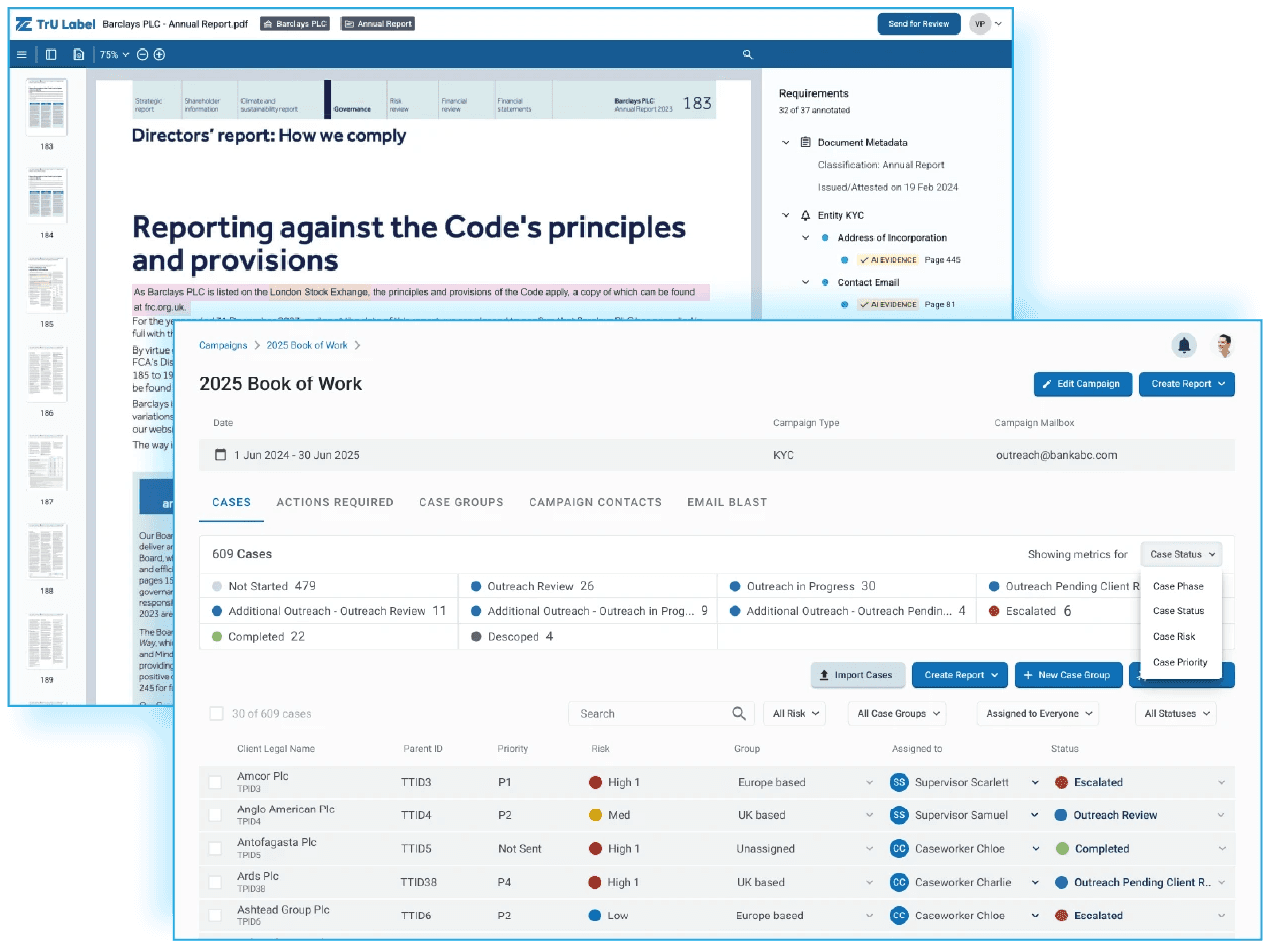
Publicly Shared Images